

As a supplier of Tank Transport Low Bed Trailers, I often encounter inquiries about the coupling systems of these specialized vehicles. In this blog post, I'll delve into the regulations surrounding the coupling system of a tank transport low bed trailer, providing insights into why these regulations exist and how they impact the industry.
The Importance of Coupling Systems in Tank Transport Low Bed Trailers
Before we explore the regulations, it's essential to understand the significance of the coupling system in a tank transport low bed trailer. The coupling system is the link between the tractor unit and the trailer, ensuring a secure and stable connection. It must be able to withstand the weight of the tank and its contents, as well as the forces generated during transportation, such as acceleration, deceleration, and turning.
A well-designed and properly maintained coupling system is crucial for the safety of the vehicle, its driver, and other road users. It helps prevent accidents caused by the trailer detaching from the tractor, which could lead to spills, collisions, and other hazardous situations.
International and National Regulations
There are several international and national regulations that govern the coupling systems of tank transport low bed trailers. These regulations aim to ensure the safety and reliability of the coupling system, as well as the overall vehicle.
International Regulations
One of the most important international regulations is the United Nations Economic Commission for Europe (UNECE) Regulation No. 55. This regulation sets out the technical requirements for coupling devices used on trailers and semi - trailers. It covers aspects such as the design, construction, strength, and performance of the coupling system.
For example, UNECE Regulation No. 55 specifies the minimum strength requirements for the coupling device, taking into account the maximum authorized mass of the trailer. It also requires that the coupling device be designed to prevent accidental uncoupling and to provide a visual indication of the coupling status.
National Regulations
In addition to international regulations, each country may have its own national regulations regarding the coupling systems of tank transport low bed trailers. These regulations may be more stringent than the international standards, depending on the specific requirements and conditions of the country.
For instance, in the United States, the Federal Motor Carrier Safety Administration (FMCSA) has regulations that govern the safety of commercial motor vehicles, including tank transport low bed trailers. These regulations cover areas such as the inspection, maintenance, and repair of the coupling system.
Specific Requirements for Tank Transport Low Bed Trailers
Tank transport low bed trailers have some specific requirements for their coupling systems due to the nature of their cargo. The coupling system must be able to handle the additional weight and forces associated with transporting liquid or gaseous substances in a tank.
Weight Capacity
The coupling system must be rated to handle the total weight of the tank, its contents, and any additional equipment or accessories. This requires careful calculation and selection of the appropriate coupling device based on the maximum authorized mass of the trailer.
Vibration and Shock Resistance
Tank transport low bed trailers are often subject to vibrations and shocks during transportation, especially when driving on uneven roads or when starting and stopping. The coupling system must be designed to withstand these vibrations and shocks without loosening or failing.
Compatibility with Tractor Units
The coupling system of the tank transport low bed trailer must be compatible with the tractor unit that will be used to tow it. This includes ensuring that the coupling device has the correct size, shape, and connection mechanism to fit securely with the tractor's coupling system.
Compliance and Certification
To ensure compliance with the regulations, tank transport low bed trailers and their coupling systems must undergo testing and certification. Manufacturers are required to provide documentation and evidence that their products meet the relevant standards.
Testing Procedures
There are various testing procedures that can be used to evaluate the performance of the coupling system. These may include static load tests, dynamic load tests, and fatigue tests. The results of these tests are used to determine whether the coupling system meets the strength, durability, and safety requirements.
Certification Bodies
Certification bodies play an important role in verifying the compliance of tank transport low bed trailers and their coupling systems. These bodies are independent organizations that are authorized to issue certificates of compliance based on the results of the testing.
Our Company's Approach
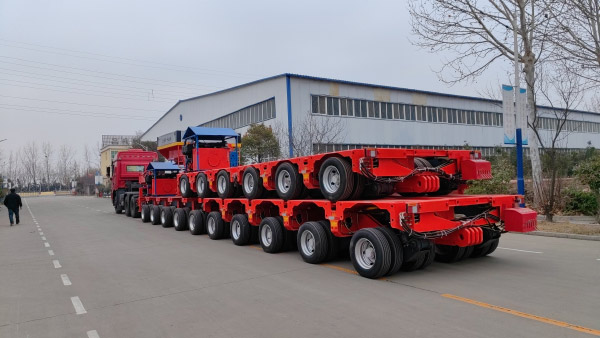
As a supplier of Length Extendable Tank Transporttrailer, Hydraulic Lifting Steering Wind Bladetrailer, and Tank Transport Low Bed Trailer, we are committed to ensuring that our products meet all the relevant regulations and standards.
We work closely with our engineering team to design and develop coupling systems that are not only compliant but also of the highest quality. Our coupling systems are rigorously tested in our state - of - the - art testing facilities to ensure their safety and reliability.

Impact on the Industry
The regulations for the coupling system of tank transport low bed trailers have a significant impact on the industry. They help to improve the safety of the transportation of hazardous materials, reduce the risk of accidents, and protect the environment.
Cost and Efficiency
Compliance with the regulations may increase the cost of manufacturing and operating tank transport low bed trailers. However, in the long run, it can also lead to greater efficiency and reliability. Well - designed and compliant coupling systems are less likely to fail, which can reduce downtime and maintenance costs.
Innovation
The regulations also drive innovation in the industry. Manufacturers are constantly looking for new and improved ways to design and build coupling systems that meet the requirements while also providing additional features and benefits.
Conclusion
In conclusion, there are indeed regulations for the coupling system of a tank transport low bed trailer. These regulations are in place to ensure the safety and reliability of the vehicle and its cargo. As a supplier, we understand the importance of compliance and are committed to providing high - quality products that meet all the relevant standards.
If you are in the market for a tank transport low bed trailer or have any questions about our products, we encourage you to contact us for a detailed discussion. Our team of experts is ready to assist you in finding the right solution for your transportation needs.
References
- United Nations Economic Commission for Europe (UNECE) Regulation No. 55.
- Federal Motor Carrier Safety Administration (FMCSA) regulations.


