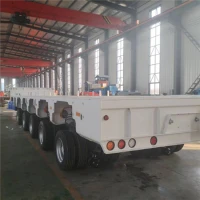
As a supplier of Hydraulic Gooseneck Lowboy Trailers, I understand the importance of proper maintenance to ensure the longevity and optimal performance of these heavy - duty vehicles. One crucial aspect of maintenance is the lubrication of moving parts. In this blog, I'll share some essential knowledge on how to lubricate the moving parts of a Hydraulic Gooseneck Lowboy Trailer.


Why Lubrication is Vital
Lubrication serves multiple critical functions in a Hydraulic Gooseneck Lowboy Trailer. First and foremost, it reduces friction between moving parts. Friction can cause wear and tear on components, leading to premature failure and costly repairs. By applying a suitable lubricant, we create a thin film between surfaces, which minimizes direct contact and thus reduces friction.
Secondly, lubrication helps in heat dissipation. As moving parts interact, they generate heat. Excessive heat can damage the materials and affect the performance of the trailer. A good lubricant can absorb and transfer this heat away from the critical areas, keeping the components at a safe operating temperature.
Moreover, lubrication protects the moving parts from corrosion. The trailer is often exposed to harsh environmental conditions, including moisture, dirt, and chemicals. A lubricant acts as a barrier, preventing these elements from coming into contact with the metal surfaces and causing rust or other forms of corrosion.
Identifying the Moving Parts that Need Lubrication
Before we start lubricating, it's essential to know which parts of the Hydraulic Gooseneck Lowboy Trailer require lubrication.
- Axles and Bearings: The axles are responsible for supporting the weight of the trailer and its load, and the bearings allow the wheels to rotate smoothly. Regular lubrication of the axle bearings is crucial to prevent overheating and premature wear.
- Hydraulic Cylinders: These are used to adjust the height of the trailer deck. The moving parts inside the hydraulic cylinders, such as the pistons and seals, need proper lubrication to ensure smooth operation and prevent leaks.
- Pivot Points: The trailer has several pivot points, like those in the gooseneck and the connection between different sections of the trailer. Lubricating these points helps in easy articulation and reduces the stress on the joints.
- Suspension Components: The suspension system, including springs and shock absorbers, has moving parts that need lubrication to function correctly. This ensures a smooth ride and proper weight distribution.
Choosing the Right Lubricant
Selecting the appropriate lubricant is as important as the lubrication process itself. Different moving parts may require different types of lubricants based on their operating conditions.
- Grease: Grease is a popular choice for many moving parts of the trailer, such as axles, bearings, and pivot points. It has a high viscosity, which allows it to stay in place and provide long - lasting lubrication. There are different types of grease available, such as lithium - based, calcium - based, and synthetic greases. Lithium - based greases are commonly used due to their good water resistance and wide temperature range.
- Hydraulic Fluid: For hydraulic cylinders, a high - quality hydraulic fluid is essential. Hydraulic fluid not only lubricates the moving parts inside the cylinders but also transfers power within the hydraulic system. It should have good anti - wear, anti - oxidation, and anti - foam properties.
- Oil: Some suspension components may require oil lubrication. Light - weight oils with good viscosity characteristics are suitable for these parts.
The Lubrication Process
Axles and Bearings
- Clean the Components: Before lubricating the axles and bearings, it's important to clean them thoroughly. Use a degreaser to remove any dirt, grime, or old lubricant. Rinse with clean water and let the parts dry completely.
- Pack the Bearings: Apply a generous amount of high - quality grease to the bearings. Use a bearing - packing tool to ensure that the grease is evenly distributed within the bearing. Make sure to fill all the voids between the rollers and the races.
- Lubricate the Axles: Apply grease to the axle spindles. This helps in reducing friction between the bearings and the axles.
Hydraulic Cylinders
- Check the Fluid Level: First, check the hydraulic fluid level in the reservoir. If it's low, add the recommended hydraulic fluid. Use a dipstick or the sight glass on the reservoir for accurate measurement.
- Purge the System: If needed, purge the hydraulic system to remove any air bubbles. Follow the manufacturer's instructions for the purging process.
- Lubricate the Pistons and Seals: While the system is in operation, the hydraulic fluid will naturally lubricate the pistons and seals. However, if there are signs of wear or leakage, it may be necessary to add a small amount of lubricant specifically designed for hydraulic seals.
Pivot Points
- Remove the Dirt: Clean the pivot points with a wire brush to remove any dirt or rust.
- Apply Grease: Use a grease gun to apply grease to the pivot points. Make sure to pump enough grease until it starts to come out from the sides, indicating that the joint is properly lubricated.
Suspension Components
- Identify the Lubrication Points: Refer to the trailer's manual to find the lubrication points on the suspension components.
- Apply Oil or Grease: Depending on the requirements of the specific component, apply the appropriate lubricant. Use a brush or a spray to ensure even coverage.
Frequency of Lubrication
The frequency of lubrication depends on several factors, such as the usage of the trailer, the operating conditions, and the type of lubricant used.
- Regular Use: If the trailer is used frequently, it is recommended to lubricate the axles and bearings every 10,000 - 15,000 miles or at least once a year. Hydraulic cylinders should be checked and the fluid level maintained regularly, and a complete fluid change may be required every 2 - 3 years.
- Harsh Conditions: If the trailer is used in harsh conditions, such as in dusty environments, near water, or in extreme temperatures, more frequent lubrication may be necessary. In such cases, it's advisable to lubricate the axles and bearings every 5,000 - 10,000 miles and check the hydraulic system more often.
Tips for Effective Lubrication
- Follow the Manufacturer's Instructions: Always refer to the trailer's owner's manual for specific lubrication guidelines. The manufacturer knows the trailer's design and requirements best, so following their instructions will ensure proper maintenance.
- Use Quality Lubricants: Invest in high - quality lubricants. Cheaper lubricants may not provide adequate protection and can lead to premature wear and damage.
- Keep Records: Maintain a record of the lubrication schedule and the type of lubricants used. This will help you keep track of the maintenance history and ensure that the trailer is properly maintained over time.
Conclusion
Proper lubrication of the moving parts of a Hydraulic Gooseneck Lowboy Trailer is essential for its smooth operation, longevity, and safety. By understanding the importance of lubrication, identifying the parts that need lubrication, choosing the right lubricants, and following the correct lubrication process, you can ensure that your trailer performs at its best.
If you are in the market for a Hydraulic Gooseneck Lowboy Trailer, we are a reliable supplier. We also offer other products such as Multi Axle Hydraulic Low Bed Trailer, Goldhofer Multi Axle Trailer, Pull-out Low-profile and Hydraulic Axis Car. If you have any questions or are interested in purchasing, please feel free to contact us for further discussions.