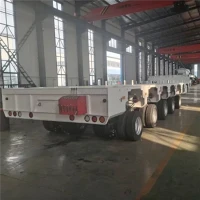
A hydraulic axle transport vehicle is a specialized piece of equipment designed for transporting heavy and oversized loads. As a leading supplier of Hydraulic Axle Transport Vehicle, we often receive inquiries about the fuel type used by these powerful machines. In this blog post, we will delve into the various fuel options available for hydraulic axle transport vehicles, exploring their advantages, disadvantages, and suitability for different applications.
Diesel Fuel
Diesel fuel is the most common fuel type used in hydraulic axle transport vehicles. It is favored for its high energy density, which means it can provide a large amount of power with relatively small amounts of fuel. Diesel engines are known for their durability and efficiency, making them ideal for heavy-duty applications such as transporting large construction equipment, industrial machinery, and oversized loads.
One of the key advantages of diesel fuel is its torque output. Diesel engines produce high torque at low RPMs, which is essential for moving heavy loads from a standstill and maintaining a steady speed on inclines. This makes diesel-powered hydraulic axle transport vehicles well-suited for hauling heavy cargo over long distances and challenging terrains.
Another benefit of diesel fuel is its fuel efficiency. Diesel engines are generally more efficient than gasoline engines, consuming less fuel per mile traveled. This translates to lower operating costs and reduced environmental impact, as diesel engines emit less carbon dioxide per unit of energy produced compared to gasoline engines.
However, diesel fuel also has some drawbacks. Diesel engines tend to be noisier and produce more emissions than gasoline engines, particularly in terms of particulate matter and nitrogen oxides. To comply with environmental regulations, modern diesel engines are equipped with advanced emission control systems, such as diesel particulate filters and selective catalytic reduction (SCR) systems, to reduce harmful emissions.
Natural Gas
Natural gas is an alternative fuel option for hydraulic axle transport vehicles. It is a cleaner-burning fuel compared to diesel, producing fewer emissions of greenhouse gases, particulate matter, and nitrogen oxides. Natural gas is also more abundant and domestically available in many countries, which can help reduce dependence on foreign oil.
There are two main types of natural gas used in vehicles: compressed natural gas (CNG) and liquefied natural gas (LNG). CNG is stored in high-pressure cylinders on the vehicle, while LNG is stored in cryogenic tanks at extremely low temperatures. Both CNG and LNG can be used to power internal combustion engines, which are similar in design to diesel engines but modified to run on natural gas.
One of the advantages of natural gas is its cost savings. Natural gas is generally cheaper than diesel fuel, which can result in significant savings for vehicle operators over time. Additionally, natural gas engines tend to have lower maintenance costs compared to diesel engines, as they produce less wear and tear on engine components.
However, there are also some challenges associated with using natural gas as a fuel for hydraulic axle transport vehicles. One of the main challenges is the limited availability of natural gas refueling stations. Unlike diesel fuel, which can be easily found at most gas stations, natural gas refueling infrastructure is still relatively limited in many areas. This can make it difficult for vehicle operators to find convenient refueling locations, especially when traveling long distances.
Another challenge is the reduced range of natural gas vehicles compared to diesel vehicles. Natural gas has a lower energy density than diesel fuel, which means that natural gas vehicles need to carry more fuel to achieve the same range as diesel vehicles. This can result in larger fuel tanks and reduced payload capacity, which may not be suitable for all applications.
Electric Power
Electric power is an emerging fuel option for hydraulic axle transport vehicles. Electric vehicles (EVs) are powered by electric motors, which are powered by rechargeable batteries. Unlike diesel and natural gas vehicles, electric vehicles produce zero tailpipe emissions, making them an environmentally friendly alternative for transporting heavy loads.
One of the main advantages of electric power is its efficiency. Electric motors are more efficient than internal combustion engines, converting a higher percentage of the energy stored in the batteries into mechanical power. This means that electric vehicles can travel farther on a single charge compared to diesel and natural gas vehicles, reducing the need for frequent refueling or recharging.
Another advantage of electric power is its quiet operation. Electric motors produce significantly less noise than internal combustion engines, which can be beneficial in noise-sensitive areas such as residential neighborhoods and construction sites. Additionally, electric vehicles require less maintenance than diesel and natural gas vehicles, as they have fewer moving parts and do not require oil changes or other routine maintenance tasks.
However, there are also some challenges associated with using electric power as a fuel for hydraulic axle transport vehicles. One of the main challenges is the limited range of electric vehicles. Although the range of electric vehicles has been improving in recent years, it is still generally lower than that of diesel and natural gas vehicles. This can make it difficult for vehicle operators to transport heavy loads over long distances without the need for frequent recharging.
Another challenge is the charging infrastructure. Unlike diesel and natural gas refueling stations, which are widely available, electric charging stations are still relatively limited in many areas. This can make it difficult for vehicle operators to find convenient charging locations, especially when traveling long distances. Additionally, charging times for electric vehicles can be long, which can result in downtime for vehicle operators.
Hybrid Power
Hybrid power is a combination of two or more fuel types, typically electric power and either diesel or natural gas. Hybrid vehicles use an internal combustion engine to generate electricity, which is then stored in a battery and used to power an electric motor. This allows hybrid vehicles to take advantage of the benefits of both electric power and traditional fuel sources, while minimizing their drawbacks.
One of the main advantages of hybrid power is its improved fuel efficiency. Hybrid vehicles can use the electric motor to power the vehicle at low speeds and during acceleration, while the internal combustion engine can be used to provide additional power when needed. This can result in significant fuel savings, particularly in stop-and-go traffic or when hauling heavy loads.
Another advantage of hybrid power is its reduced emissions. Hybrid vehicles produce fewer emissions of greenhouse gases, particulate matter, and nitrogen oxides compared to traditional diesel and natural gas vehicles. This can help vehicle operators comply with environmental regulations and reduce their environmental impact.


However, there are also some challenges associated with using hybrid power as a fuel for hydraulic axle transport vehicles. One of the main challenges is the higher cost of hybrid vehicles compared to traditional diesel and natural gas vehicles. Hybrid vehicles typically require more advanced technology and components, which can increase their upfront cost. Additionally, hybrid vehicles may require more maintenance than traditional vehicles, as they have both an internal combustion engine and an electric motor.
Conclusion
In conclusion, there are several fuel options available for hydraulic axle transport vehicles, each with its own advantages and disadvantages. Diesel fuel is the most common fuel type used in these vehicles, offering high power, durability, and fuel efficiency. Natural gas is a cleaner-burning alternative to diesel, offering cost savings and reduced emissions. Electric power is an emerging fuel option, offering zero emissions and quiet operation, but with limited range and charging infrastructure. Hybrid power is a combination of two or more fuel types, offering improved fuel efficiency and reduced emissions, but with higher upfront costs and increased maintenance requirements.
As a supplier of Hydraulic Axle Transport Vehicle, we understand the importance of choosing the right fuel type for your specific application. We offer a wide range of hydraulic axle transport vehicles powered by different fuel types, including diesel, natural gas, electric, and hybrid. Our team of experts can help you evaluate your needs and select the best fuel option for your vehicle.
If you are interested in learning more about our hydraulic axle transport vehicles or would like to discuss your specific requirements, please do not hesitate to contact us. We would be happy to provide you with more information and assist you with your purchase decision.