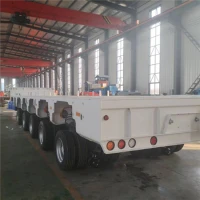
What is the corrosion resistance of a multi axle hydraulic low bed trailer?
As a provider of Multi Axle Hydraulic Low Bed Trailers, I'm often asked about the corrosion resistance of our products. Corrosion is a significant concern for any type of vehicle, especially those that are exposed to various environmental conditions on a regular basis. In this blog post, I'll delve into the details of what corrosion resistance means for multi - axle hydraulic low bed trailers, the factors that affect it, and the measures we take to ensure our trailers offer high - level corrosion protection.


First, let's understand what corrosion is. Corrosion is a natural process that occurs when metals react with oxygen, moisture, and other substances in the environment. For multi - axle hydraulic low bed trailers, which are typically made of steel, the most common type of corrosion is rust. Rust is a form of iron oxide that forms when iron reacts with oxygen in the presence of water. Once rust starts to develop on the trailer's surface, it can spread quickly, weakening the metal structure and compromising the trailer's integrity and safety.
Several factors can influence the corrosion resistance of a multi - axle hydraulic low bed trailer. One of the most significant factors is the quality of the materials used in the trailer's construction. High - quality steel with a proper alloy composition is more resistant to corrosion than lower - grade steel. We use advanced steel alloys in our trailers, which are specifically designed to withstand corrosion better. These alloys contain elements such as chromium and nickel, which form a protective oxide layer on the surface of the steel, preventing further oxidation.
The environment in which the trailer operates also has a major impact on its corrosion resistance. Trailers that are used in coastal areas are more likely to be exposed to saltwater, which is highly corrosive. Saltwater contains chloride ions that can break down the protective oxide layer on the steel surface, accelerating the corrosion process. Similarly, trailers used in industrial areas may be exposed to acidic pollutants in the air, which can also cause corrosion. Even in normal conditions, humidity and rain can lead to corrosion over time.
Another factor is the design of the trailer. A well - designed trailer should minimize areas where water can accumulate. For example, we design our multi - axle hydraulic low bed trailers with proper drainage channels and slopes to ensure that water can quickly drain off the trailer's surface. This reduces the amount of time the metal is in contact with water, thereby reducing the risk of corrosion.
To enhance the corrosion resistance of our trailers, we implement several protective measures. One of the primary methods is the use of high - quality paint and coatings. We apply multiple layers of corrosion - resistant paint to the trailer's surface. The first layer is a primer that adheres tightly to the steel and provides a base for the subsequent layers. The topcoat not only provides an additional layer of protection but also gives the trailer an aesthetically pleasing appearance. Additionally, we offer optional specialized coatings for trailers that will be used in particularly harsh environments. These coatings can provide enhanced protection against saltwater, acids, and abrasion.
Galvanizing is another effective method we use to protect our trailers from corrosion. Galvanizing involves coating the steel with a layer of zinc. Zinc is more reactive than iron, so in the presence of an electrolyte (such as water), the zinc will corrode instead of the steel. This process is known as sacrificial protection. Galvanized trailers have a much longer lifespan and better corrosion resistance, especially in outdoor and high - humidity environments.
In addition to these surface treatments, we also conduct regular maintenance checks on our trailers during the manufacturing process and provide maintenance guidelines to our customers. Proper maintenance, such as cleaning the trailer regularly, inspecting for signs of corrosion, and touching up any damaged paint or coatings, can significantly extend the trailer's lifespan and maintain its corrosion - resistant properties.
Now, let's take a look at some of our product range, which offers excellent corrosion resistance. We have the Hydraulic Gooseneck Lowboy Trailer, which is designed for heavy - load transportation and is built with the highest corrosion - resistant standards. Our Bridge Transport Trailer is another example, suitable for long - term outdoor use and is well - protected against corrosion. The Hydraulic Axis Modular Vehicle is a versatile option that combines advanced hydraulic technology with great corrosion - resistant features. And for those looking for high - end performance, we have the Goldhofer Multi Axle Trailer and the Nicolas Modular Trailer, both of which are engineered to resist corrosion in the most demanding conditions.
If you're in the market for a multi - axle hydraulic low bed trailer, it's crucial to consider the corrosion resistance of the product. A trailer with high - level corrosion resistance will not only have a longer lifespan but also require less maintenance over time, saving you both time and money.
We understand that every customer's needs are unique, and we're committed to providing you with the best possible solution. Whether you need a trailer for coastal transportation or for industrial use in a harsh environment, we have the expertise and the products to meet your requirements.
If you have any questions or are interested in purchasing a multi - axle hydraulic low bed trailer, please don't hesitate to contact us. We look forward to discussing your specific needs and guiding you through the purchasing process.